
extra clear toughened glass
Understanding the Pricing Dynamics of Concrete Chairs Concrete chairs, a blend of functionality and modern aesthetics, have gained significant popularity in both residential and commercial settings due to their durability and versatility. These chairs, crafted from a combination of cement, water, sand, and aggregate, offer a unique design element that can withstand the test of time. However, when it comes to purchasing them, one might wonder about the factors influencing the price of concrete chairs. Firstly, the cost of raw materials plays a crucial role in determining the price. Concrete, being the primary ingredient, is a mixture of aggregates (), sand, and Portland cement. The fluctuation in the global market prices of these materials directly impacts the final cost of the chair. For instance, a rise in the demand for cement or a shortage of aggregates can lead to an increase in the overall production cost, translating into a higher price tag. Secondly, the manufacturing process and labor involved contribute significantly to the pricing. Concrete chairs require skilled labor to mold, cure, and finish, which is a time-consuming process compared to mass-produced plastic or metal furniture. Moreover, intricate designs or customizations add to the labor-intensive nature of the production, driving up the price. Thirdly, the design complexity is another factor. Simple, minimalist designs generally cost less than intricately detailed or sculptural pieces Simple, minimalist designs generally cost less than intricately detailed or sculptural pieces Simple, minimalist designs generally cost less than intricately detailed or sculptural pieces Simple, minimalist designs generally cost less than intricately detailed or sculptural pieces concrete chairs price . The more artistic and innovative the design, the more time and effort it takes to create, hence the higher the price. Furthermore, the brand reputation and location also play a part. Well-established brands with a reputation for quality may charge a premium for their products. Similarly, regional factors such as transportation costs, local taxes, and supply chain logistics can influence the final selling price. Lastly, sustainability considerations can impact the price. Environmentally friendly practices, like using recycled materials or low-carbon cement, often come at a slightly higher cost but appeal to consumers who prioritize eco-conscious choices. In conclusion, the price of concrete chairs is a result of a complex interplay between material costs, labor, design, branding, and sustainability factors. It's essential to consider these aspects when making a purchase decision, balancing both aesthetic preferences and budget constraints. Remember, while concrete chairs may initially seem more expensive, their durability and low maintenance requirements often make them a cost-effective investment in the long run.
about
extra clear toughened glass
Understanding Pressure Gauge Thread Types A Comprehensive Guide Pressure gauges are indispensable instruments in various industries, including manufacturing, oil and gas, and HVAC. They measure the pressure of gases and liquids, providing crucial data for system safety and efficiency. However, the effectiveness of a pressure gauge depends not only on its design and functionality but also on the compatibility of its connections—specifically, the thread types used for mounting and interfacing with other equipment. In this article, we'll explore the different types of pressure gauge thread standards, their applications, and considerations for selecting the right type for your needs. Common Thread Types 1. NPT (National Pipe Thread) The NPT thread, or National Pipe Taper, is one of the most commonly used thread types in North America. These tapered threads create a tight seal when screwed together, making them ideal for high-pressure applications. NPT threads are typically defined by their nominal size, which corresponds to the inside diameter of the pipe they're meant to connect with. NPT connections are routinely used in both industrial and residential applications, from plumbing to hydraulic systems. 2. BSP (British Standard Pipe) BSP threads, including BSPT (tapered) and BSPP (parallel), are widely used in the UK and other countries that follow British standards. Similar to NPT threads, BSP threads are designed to provide a secure connection for pipes and fittings, but they have a different thread profile. BSPT threads are tapered, which allows for a tight seal, while BSPP threads are parallel and typically require O-ring seals to ensure leak-proof connections. The choice between BSPT and BSPP depends on the specific application and connection requirements. 3. Metric Threads Metric threads, based on the International Organization for Standardization (ISO) standards, are increasingly popular in various regions, particularly in Europe and Asia. These threads come in coarse and fine pitch options, with the latter being used when precision is essential. Metric threads are often found in pressure gauges designed for specific industrial applications where standardization is crucial. The use of metric threads is beneficial for multinational companies that operate in diverse regions. 4. UNF and UNC Unified National Fine (UNF) and Unified National Coarse (UNC) threads are employed primarily in the United States and Canada. They are not as commonly used for pressure gauges as NPT or BSP threads but are still relevant in particular applications. UNF threads have a finer pitch, while UNC threads offer a coarser pitch. Mechanical components, automotive applications, and assembly systems often use these thread types due to their robustness. Selecting the Right Thread Type pressure gauge thread types Choosing the appropriate thread type for a pressure gauge involves several considerations - Compatibility Ensure that the thread type of the pressure gauge matches with the existing fittings and piping systems. Mismatched threads can lead to leaks or system failures. - Application The operating environment plays a crucial role in thread selection. Consider factors like pressure levels, medium (gas or liquid), temperature, and chemical compatibility. - Standards Compliance Verify that the pressure gauge and its threads conform to relevant industry standards and regulations, ensuring reliability and safety. - Installation Tools Some threaded connections require specific tools or techniques for installation, so assess the availability of such equipment before finalizing your choice. Conclusion Understanding pressure gauge thread types is essential for anyone involved in the design, installation, or maintenance of pressure measurement systems. By choosing the right thread type, you can ensure safe, effective, and reliable operation of your pressure gauges, ultimately leading to better performance outcomes in your applications. Whether you opt for NPT, BSP, metric, or unified threads, careful consideration of compatibility and application requirements will pave the way for successful installations and long-term usability.
-

High quality industrial productsagement

High quality industrial products
View Details -

Meet the diverse needs of customers

Meet the diverse needs of customers
View Details -

Strict quality control

Strict quality control
View Details -

Top raw materials

Top raw materials
View Details -

Trusted supplier

Trusted supplier
View Details
Our application

news and information
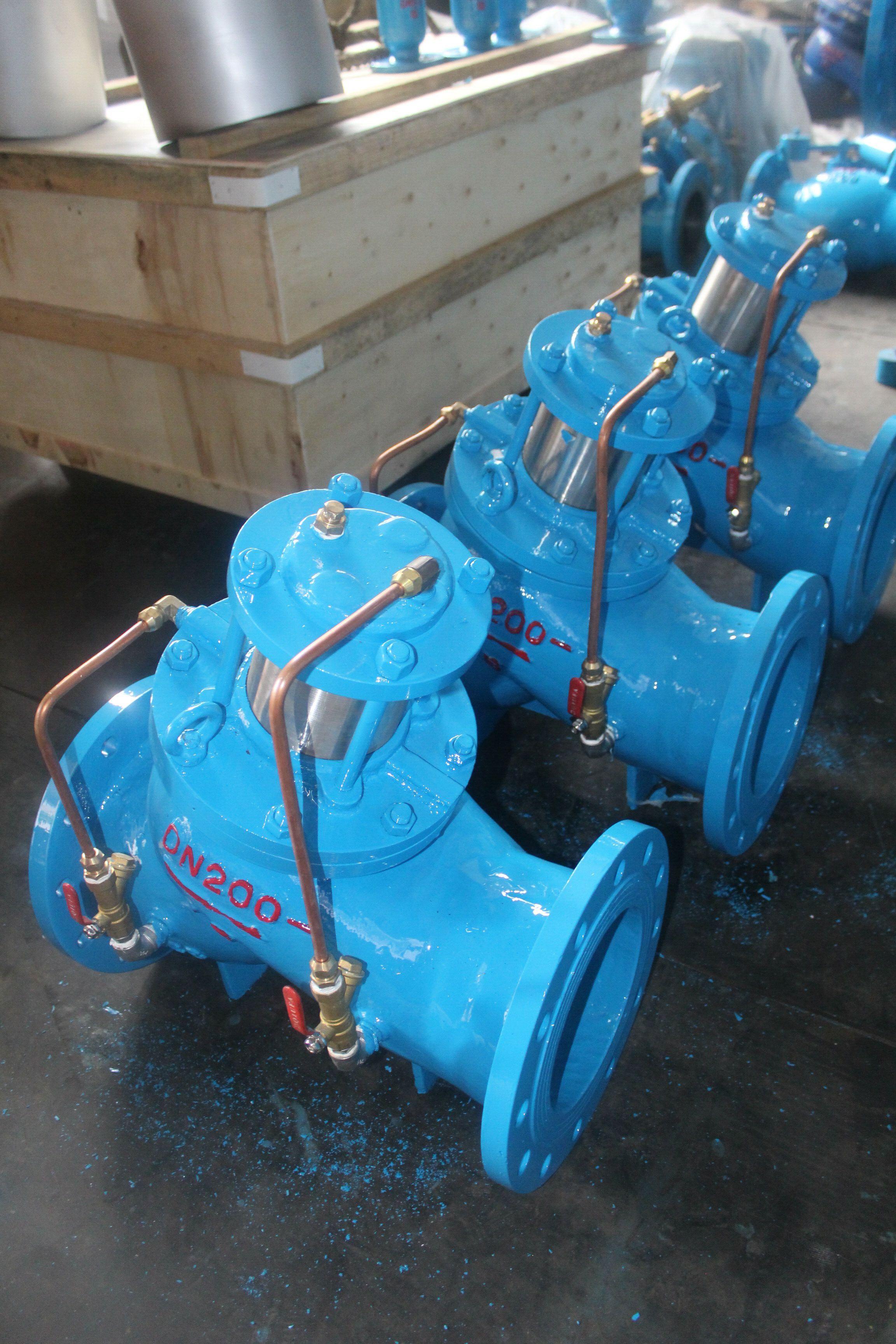
vratový ventil z oceli
Ocelové klapky Klíčový prvek v průmyslových aplikacích Ocelové klapky, známé také jako klapkové vent

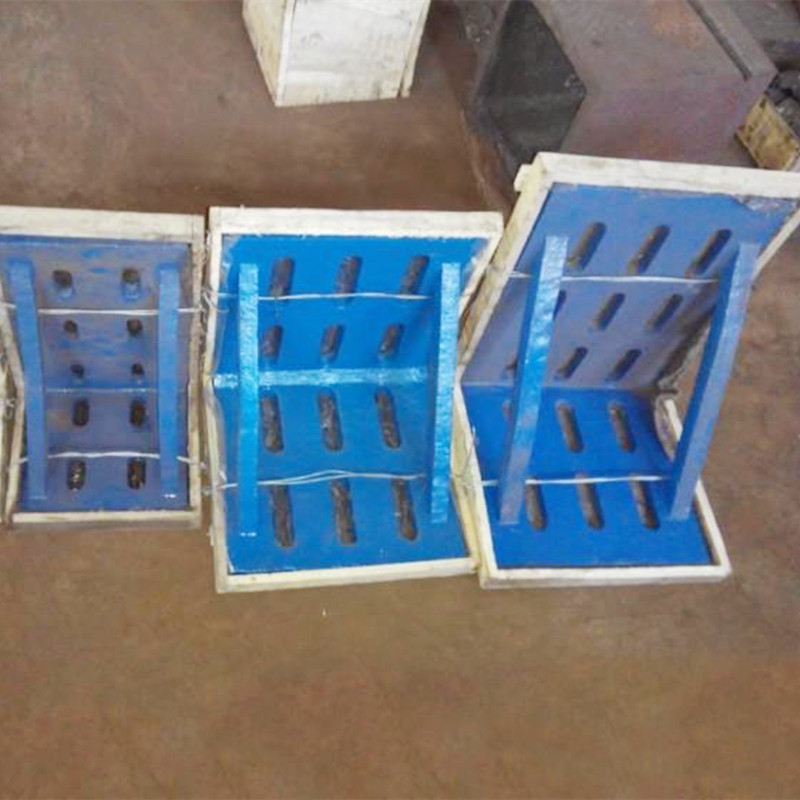
v block made of
Understanding V-Block Made Of A Fundamental Tool in Manufacturing In the world of manufacturing and

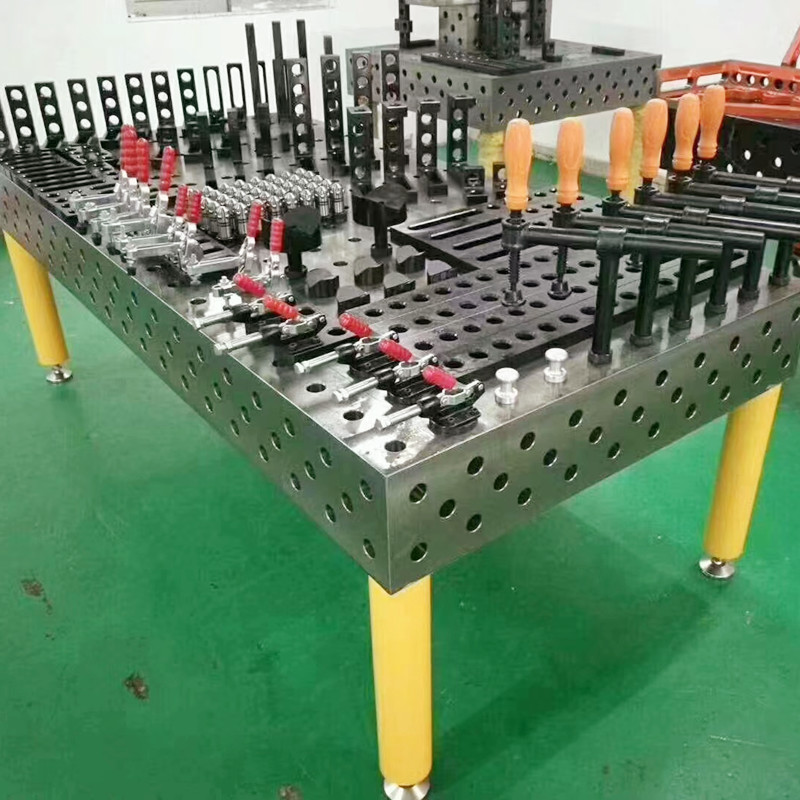
welding table cost
Understanding the Costs of Welding Tables When it comes to metalworking and fabrication, having the
 English